Food Poisoning and Street Food Safety in Chiang Mai
Follow the Department of Disease Control rule: eat freshly cooked food and reheat food kept over 2 hours. Wash your hands, and choose ice and water with an FDA or GMP mark or drink boiled water. See a doctor at once for bloody stools, heavy vomiting or little urine. Call 1669 for a medical emergency.
Diarrhoea germs enter the body through food, drinking water or ice. Contamination is often found in drinking water, ice and food that has not been heated, such as vegetables and fresh fruit. So raw salad and cut fruit are the higher-risk items; cooked vegetables are the safer choice. The Department of Disease Control (DDC) rule is to eat food cooked fresh and hot.
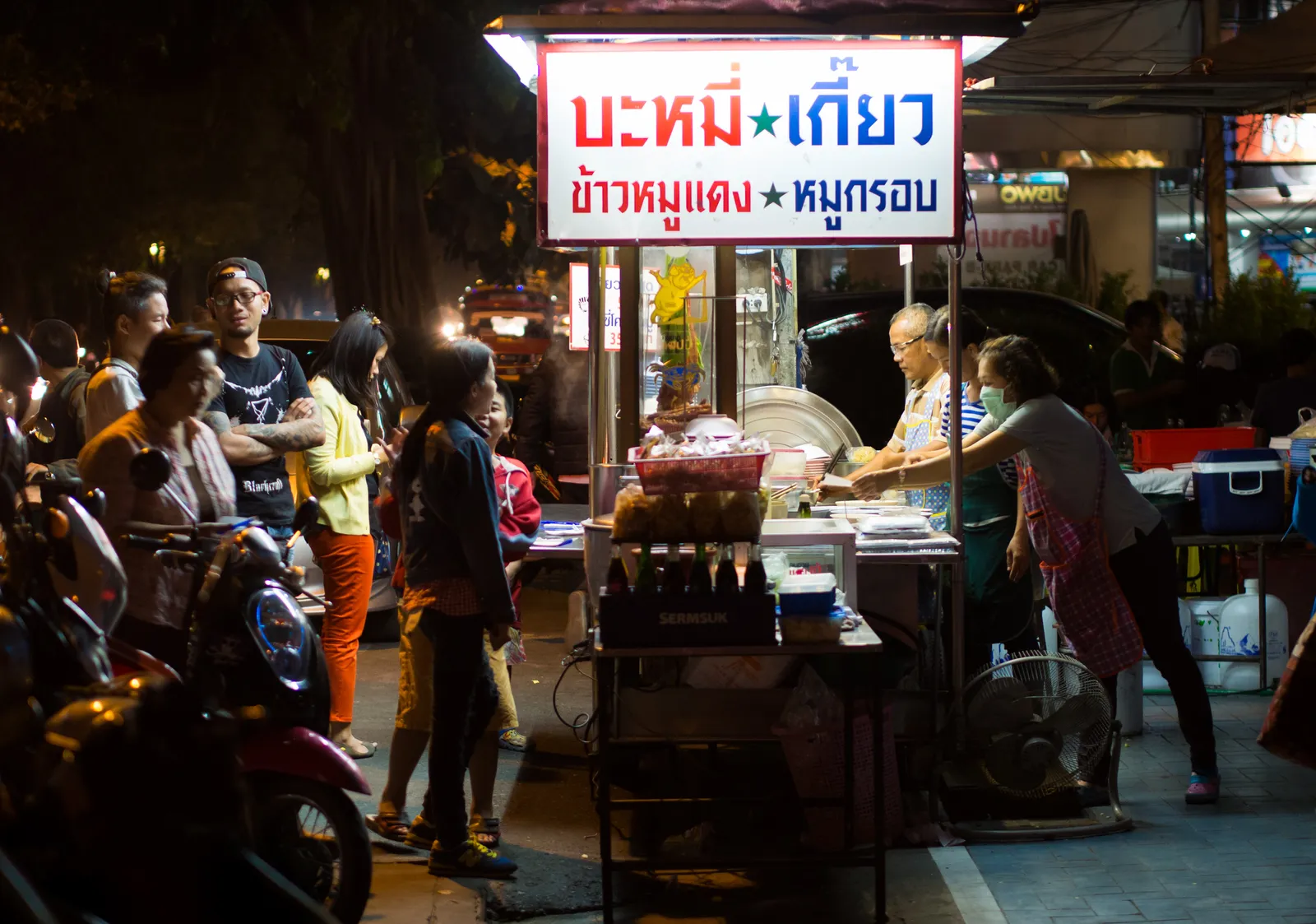
An evening noodle stall in Chiang Mai.
Where diarrhoea germs come from
Diarrhoea means loose or watery stools more than 3 times a day, or bloody mucus stools at least once. When a lot of stool is passed, the patient may go into shock and lose consciousness.
Food poisoning brings nausea, vomiting and abdominal pain, with headache, dry throat, thirst and possibly fever. Norovirus and rotavirus cause severe diarrhoea in young children and older people.
What the signs on a stall mean
The Department of Health cancelled the Clean Food Good Taste certification from 30 September 2023. The SAN and SAN Plus standards are used now. A Clean Food Good Taste sign on a stall therefore does not show current certification.
Choose food from places that pass the SAN and SAN Plus standards. Restaurants, fresh markets and street stalls that are not yet certified follow these steps.
The operator and food handlers pass training.
The stall has a licence or notification certificate from the local administration.
The stall self-assesses its hygiene under the 2018 ministerial regulation in the Foodhandler system.
Officials assess and certify it in the same system.
A passed operator prints the SAN sign from the system and can upgrade to SAN Plus.
The Bureau of Food and Water Sanitation’s publishes a document titled “information on establishments that passed the SAN standard”. No Chiang Mai list of stalls with a current SAN sign is published, so look for the printed sign at the stall. Where there is none, fall back on the rules above: food cooked fresh in front of you, served hot, with marked water and ice.
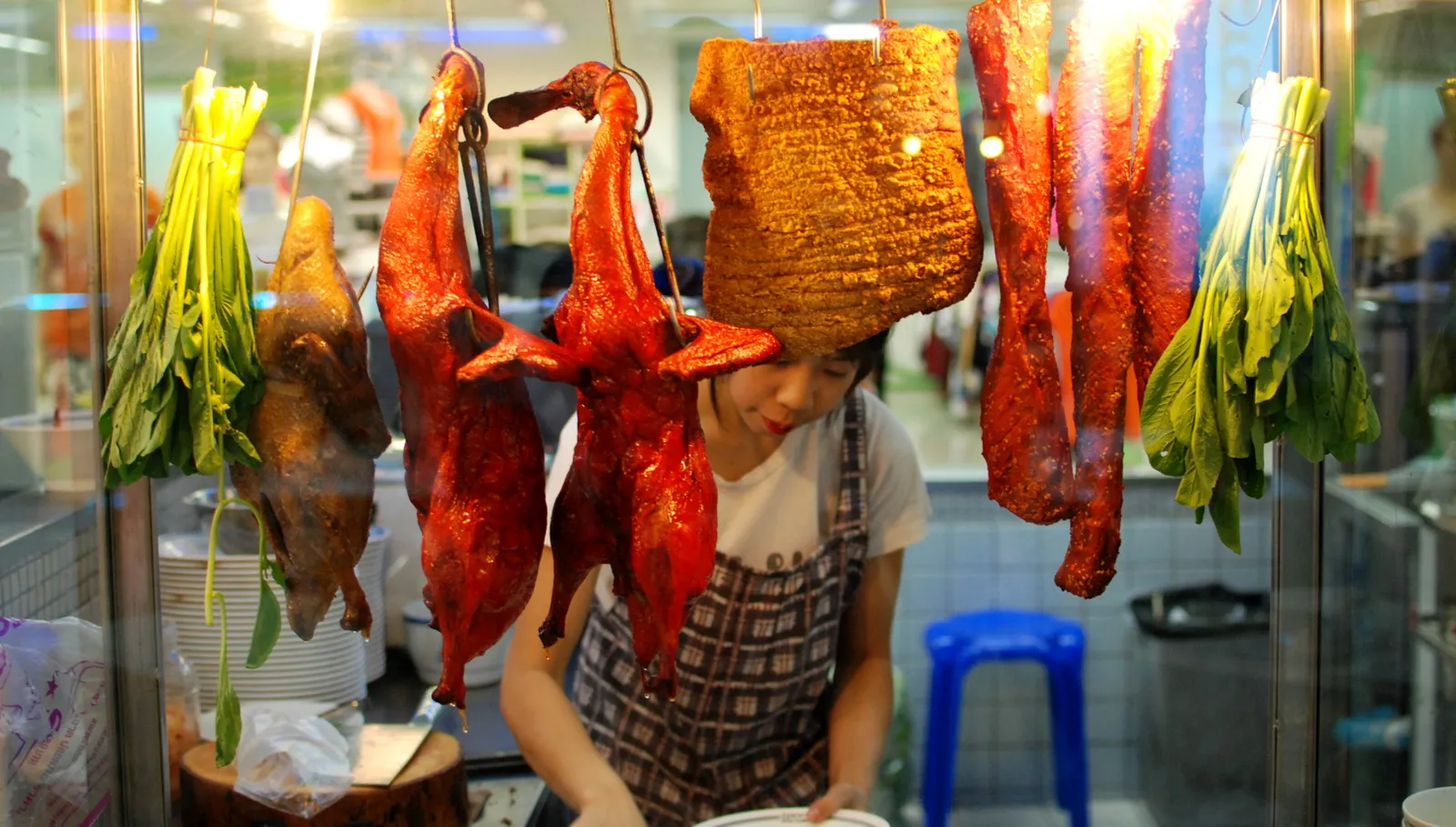
Roast meat hanging at a Chiang Mai food stall.
Water and ice in Chiang Mai
The Provincial Waterworks Authority (PWA) ran a drinkable-tap-water project with the Department of Health, to make tap water clean enough to drink directly from the tap. Its list shows the Chiang Mai branch announced as a drinkable-tap-water area on 28 November 2543 (2000), with no service point named.
That announcement dates from 2000. It is not a test of your building’s tank or pipes. Treat the tap as not confirmed drinkable: use marked bottled water, boiled water or a free refill point.
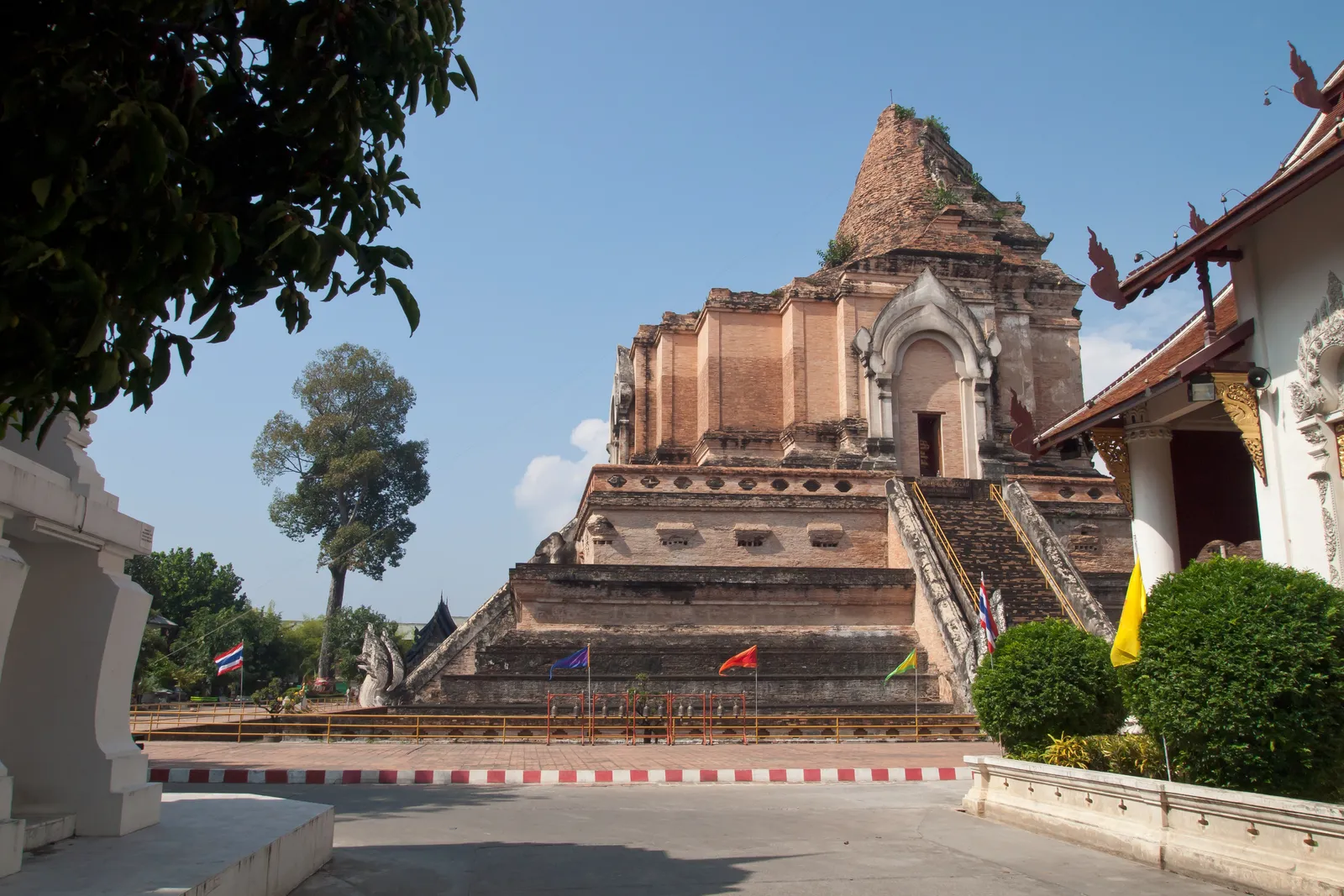
The PWA also lists free drinking-water points in Chiang Mai, including Wat Chedi Luang (วัดเจดีย์หลวง). The same list names Wat Lok Molee, the Three Kings Monument, Charoen Prathet park, Royal Park Rajapruek and the governor’s residence.
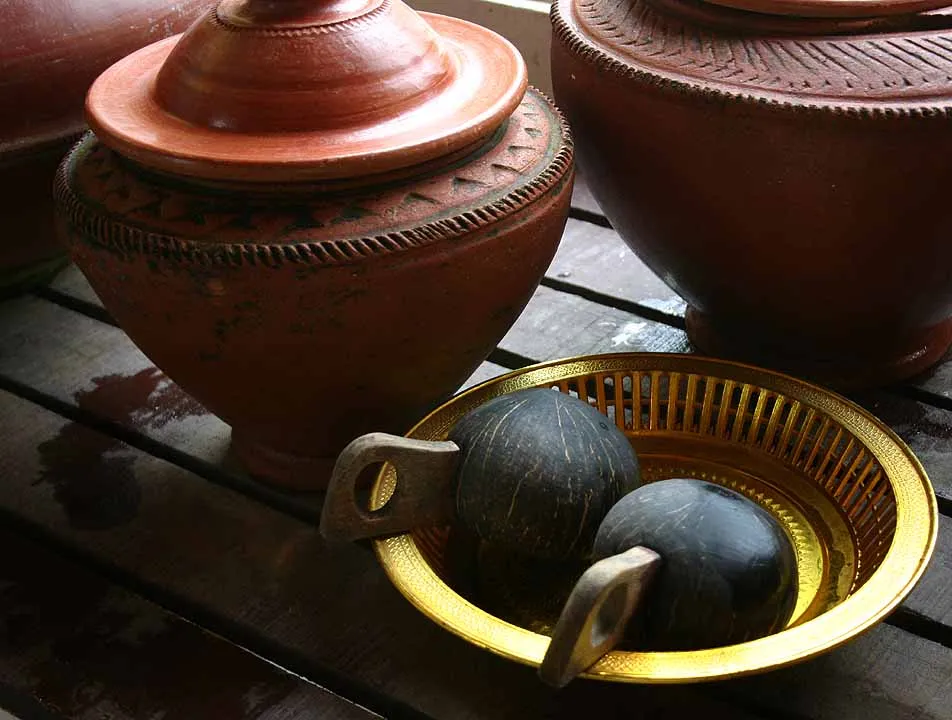
Free drinking water jars at a temple near Chiang Mai.
For the glass in your hand, choose drinking water and ice that meet the standard with an FDA or GMP mark, or drink boiled water.
Wat Chedi Luang in the Old City.
When food poisoning is an emergency
Go to a doctor at once for any of these: watery stools or stools with bloody mucus, heavy vomiting, dry mouth, little or no urine, or fast, laboured breathing. Dehydration can lead to shock and death, so start oral rehydration solution (ORS) as soon as diarrhoea starts.
The warning signs above come from a DDC regional office note of November 2023.
Treating it at home and at a pharmacy
A pharmacist can supply oral rehydration powder that you mix with water. NHS (UK) advice is to speak to a pharmacist about dark, smelly pee or peeing less than usual. Fruit juice and fizzy drinks can make diarrhoea worse. For pharmacies, see Pharmacies in Chiang Mai.
Diarrhoea usually stops within 5 to 7 days and vomiting within 1 or 2 days. Get medical advice if diarrhoea lasts more than 7 days or vomiting more than 2 days. Do not prepare food for other people while you are ill. Stay off work until you have not been sick or had diarrhoea for at least 2 days.
For information, the DDC hotline is 1422. For a medical emergency call 1669.
Where to go in Chiang Mai
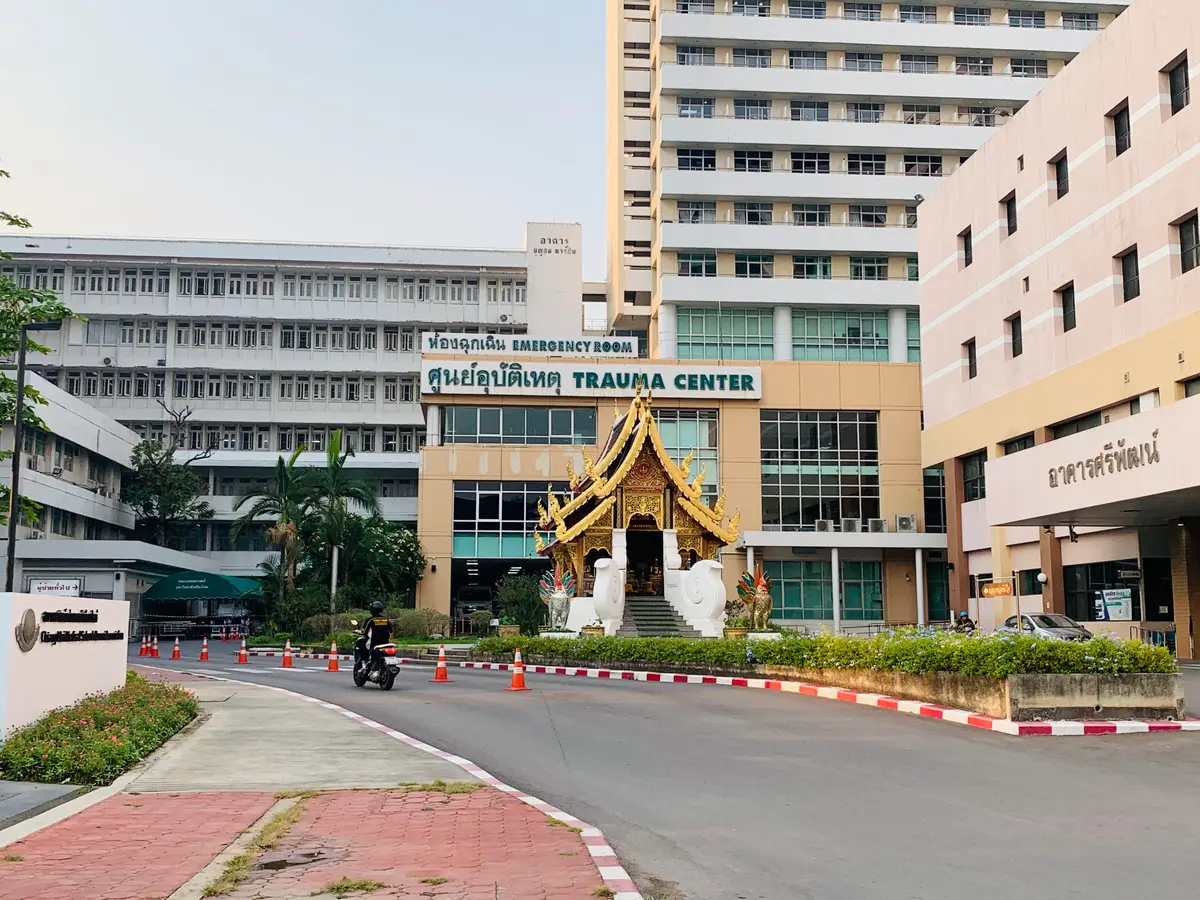
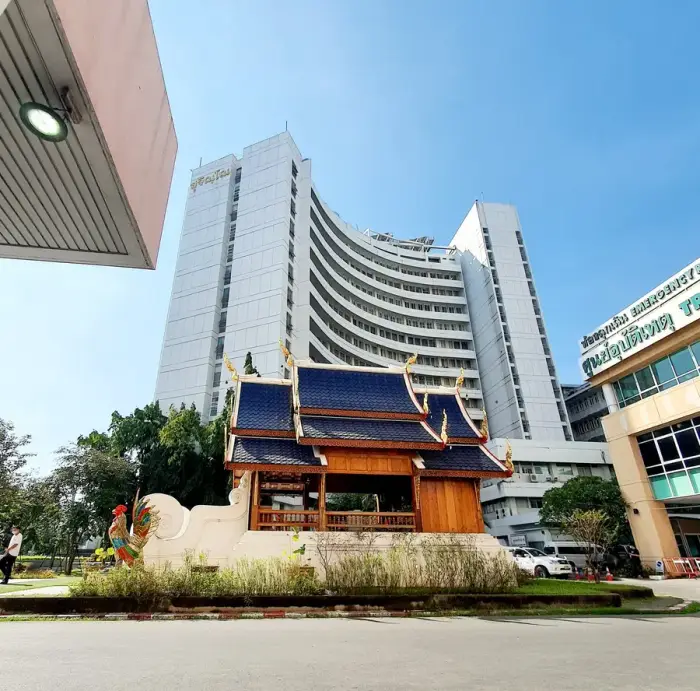
Maharaj Nakorn Chiang Mai Hospital is at 110 Inthawarorot Road. Its emergency room is open 24 hours a day, 7 days a week.
The Trauma Center side of Maharaj Nakorn Chiang Mai Hospital.Maharaj Nakorn Chiang Mai Hospital 110 Intrawarorot Rd, Si Phum, Mueang Chiang Mai District, Chiang Mai 50200, Thailand · Open in Google Maps (opens in a new tab)
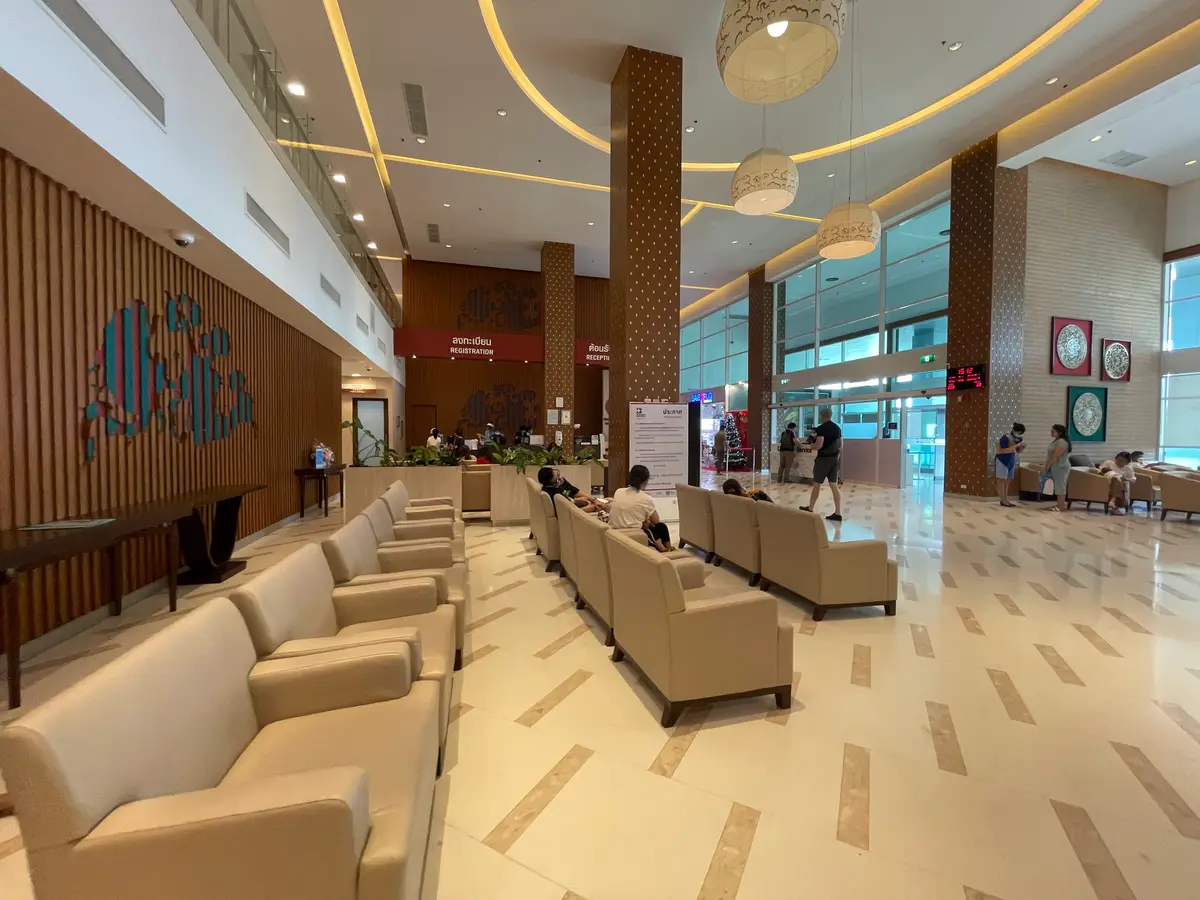
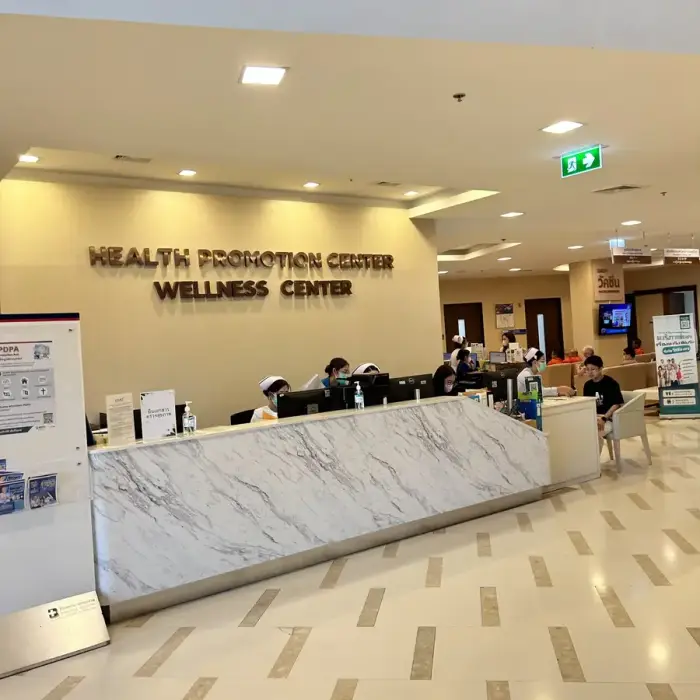
Bangkok Hospital Chiang Mai has its Trauma Center of Excellence open 24 hours, 7 days a week, on +66 (0)52 089 888 or 1719.
The lobby at Bangkok Hospital Chiang Mai.Bangkok Hospital Chiang Mai 88/8-9 Lampang - Chiang Mai Superhighway, Tambon Nong Pa Khrang, Mueang Chiang Mai District, Chiang Mai 50000, Thailand · Open in Google Maps (opens in a new tab)
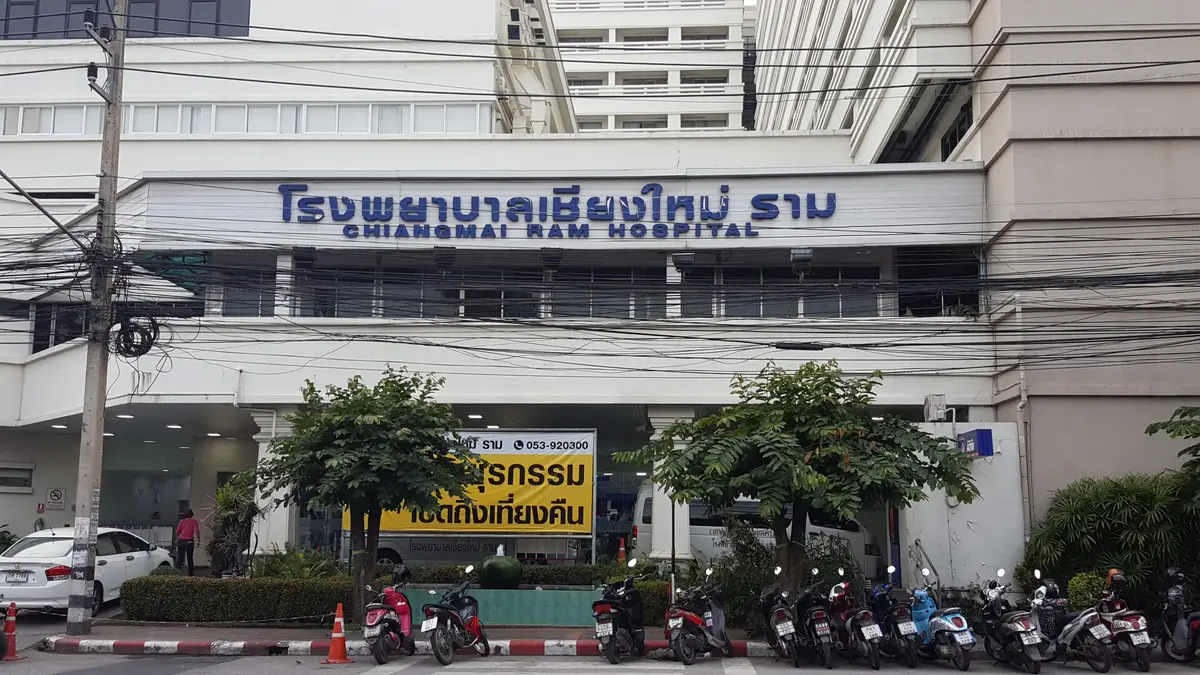
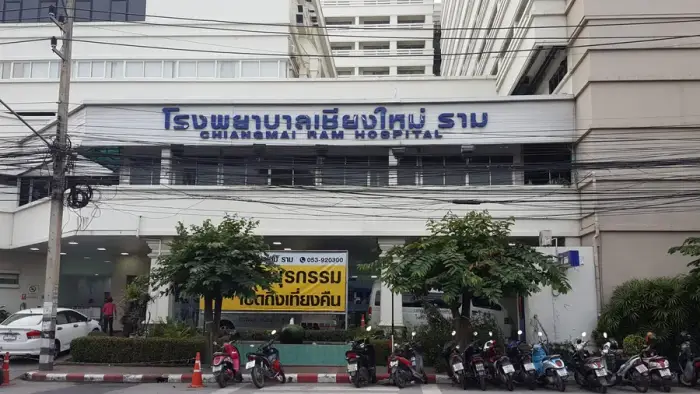
Chiangmai Ram Hospital has a 24-hour emergency line on 052-004601.
The street entrance of Chiangmai Ram Hospital.Chiangmai Ram Hospital 8 Bunrueang Rit Rd, Si Phum, Mueang Chiang Mai District, Chiang Mai 50200, Thailand · Open in Google Maps (opens in a new tab)
1Look at the foodDo not eat food whose shape, taste, smell or colour is abnormal.
2Eat it cooked and hotEat freshly cooked food, not raw or half-raw. Reheat cooked food kept longer than 2 hours thoroughly before every meal.
3Wash your hands and choose ice and water with careWash with soap and water before eating and after the toilet. Choose drinking water and ice with an FDA or GMP mark, or drink boiled water.
4Start rehydration if you are sickDrink oral rehydration solution (ORS) to prevent dehydration.
5Go to a doctor if it is severeSee a doctor immediately if symptoms do not improve or are severe. Call 1669 for a medical emergency.
Not confirmed: Whether your building's tap water is safe to drink: unconfirmed, so use boiled or marked water. Which Chiang Mai stalls hold a current SAN sign: no list is published. Whether insurance pays for an emergency admission: ask the hospital for an estimate.
What is the safe-eating rule for street food in Thailand?
The rule is cooked, hot, clean. Food kept longer than 2 hours must be reheated thoroughly before every meal.
Is the Clean Food Good Taste sign still valid?
The certification was cancelled from 30 September 2023 and the standards now used are the SAN and SAN Plus standards.
How does a stall get a SAN sign?
The operator and food handlers are trained, the stall holds a licence or notification certificate from the local administration, and it self-assesses in the Foodhandler system. Officials then assess it, and a pass lets the operator print the SAN sign.
Is Chiang Mai tap water drinkable?
The Provincial Waterworks Authority's list shows its Chiang Mai branch as a drinkable-tap-water area announced on 28 November 2543 (2000), with no service point named. Drink marked water and ice, or boiled water.
When does diarrhoea or food poisoning need a hospital?
See a doctor immediately if symptoms do not improve or are severe. Examples are bloody mucus stools, heavy vomiting, dry mouth, little urine or fast breathing.
What should I drink first if I have diarrhoea?
Start with oral rehydration solution (ORS) to prevent dehydration.
Who is most at risk from norovirus and rotavirus?
These viruses cause severe diarrhoea in young children and older people.
Which number do I call?
Call 1669 for a medical emergency. The hotline for information is 1422.
General information checked against the sources listed above, not legal advice for your situation. Rules and office practice change; confirm with the immigration office or a licensed adviser before you act. See how guides are checked.