Thailand LTR Visa: Categories, Thresholds and Steps
The LTR visa has four categories and is renewable: 5 years first, then 5 more if the qualifications are still met. The BOI charges no fee for the endorsement, and results come within 20 working days. The visa fee is THB 50,000 per person when collected in Thailand; an embassy sets its own, higher price.
On this page
- The four categories at a glance
- Wealthy Pensioners: retirees with passive income
- Wealthy Global Citizens: assets and an investment
- Work-from-Thailand Professionals: remote workers
- Highly-skilled Professionals: targeted industries
- Health cover and dependants
- How to apply: steps, timing and fees
- Mistakes that slow an application
- Work permit and tax
- What a holder does after the visa is issued
- LTR compared with the DTV and retirement routes
- Related guides
- Common questions
Four doors lead to the Long-Term Resident visa, and the figure that opens each one is different. The Board of Investment (BOI) runs the programme, and the Chiang Mai Immigration site carries a news page about it. Every condition must be maintained for the whole length of the visa, including investment, employment, bank balances and insurance.
The four categories at a glance
| Category | Who it is for | Deciding figure |
|---|---|---|
| Wealthy Pensioners | Retirees aged 50 and older | Passive income of USD 80,000 a year |
| Work-from-Thailand Professionals | Remote workers for overseas companies | Average income of USD 80,000 a year over the past two years |
| Wealthy Global Citizens | Wealthy individuals | USD 1 million in assets, with USD 500,000 invested in Thailand |
| Highly-skilled Professionals | Contract in a targeted industry | Average income of USD 80,000 a year over the past two years |
Every category must show one of three things. The first is health insurance of at least USD 50,000. The others are social security benefits in Thailand, or a deposit of at least USD 100,000 held for 12 months or more. They are alternatives, not additions.
Wealthy Pensioners: retirees with passive income
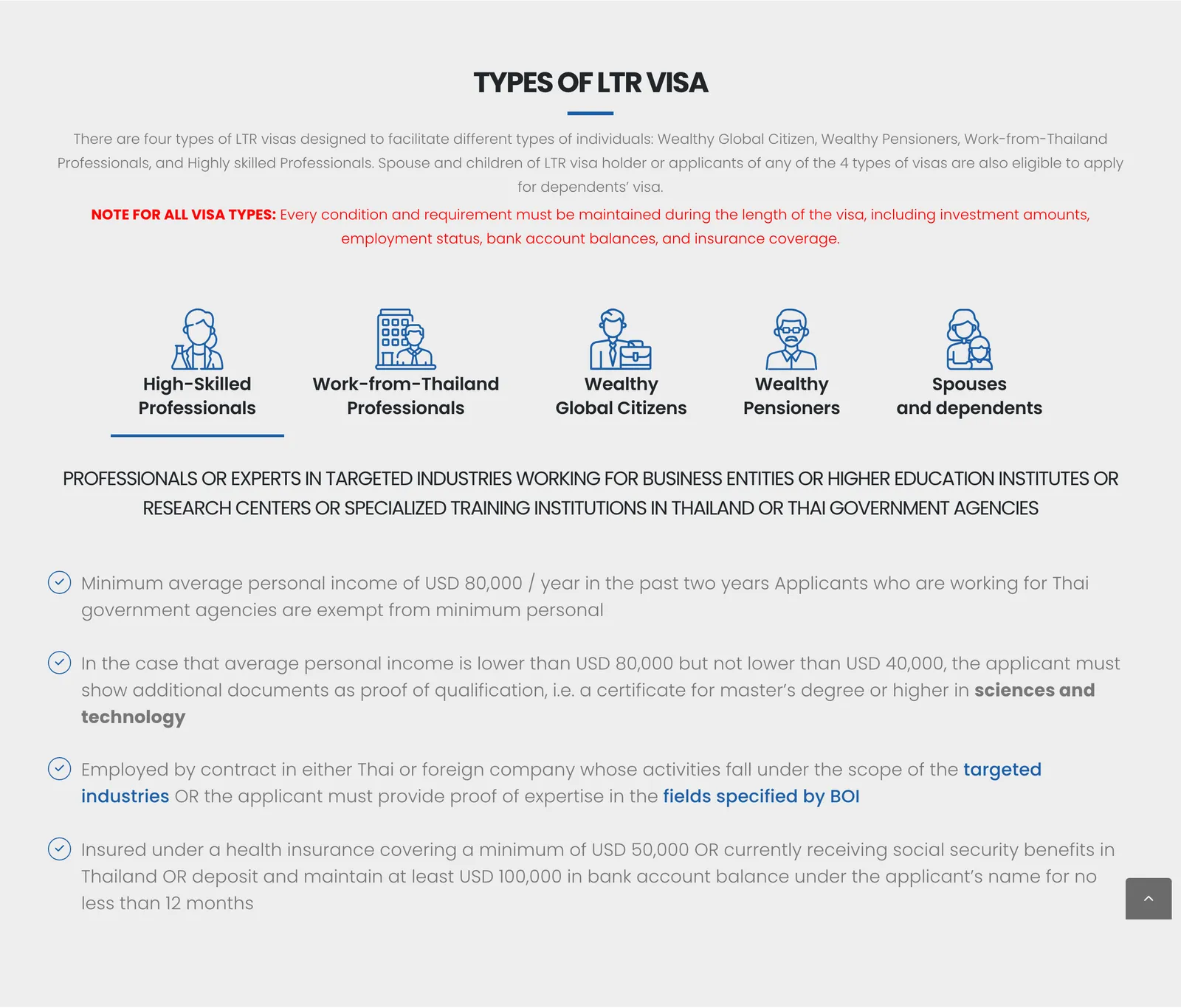
The category is for retirees aged 50 and older with an annual pension or stable passive income. The income test is a minimum of USD 80,000 a year at the time of application. Passive income includes pension, rental, realized capital gain, dividend and interest payments.
If passive income is below USD 80,000 but not below USD 40,000, you add an investment of USD 250,000 in your own name. Monthly withdrawals of principal that are not clearly from retirement accounts, private pensions or provident funds are not counted as passive income. A pensioner living in a tax-free country provides legal documentation showing that the country is tax-free, plus evidence of income.
Wealthy Global Citizens: assets and an investment
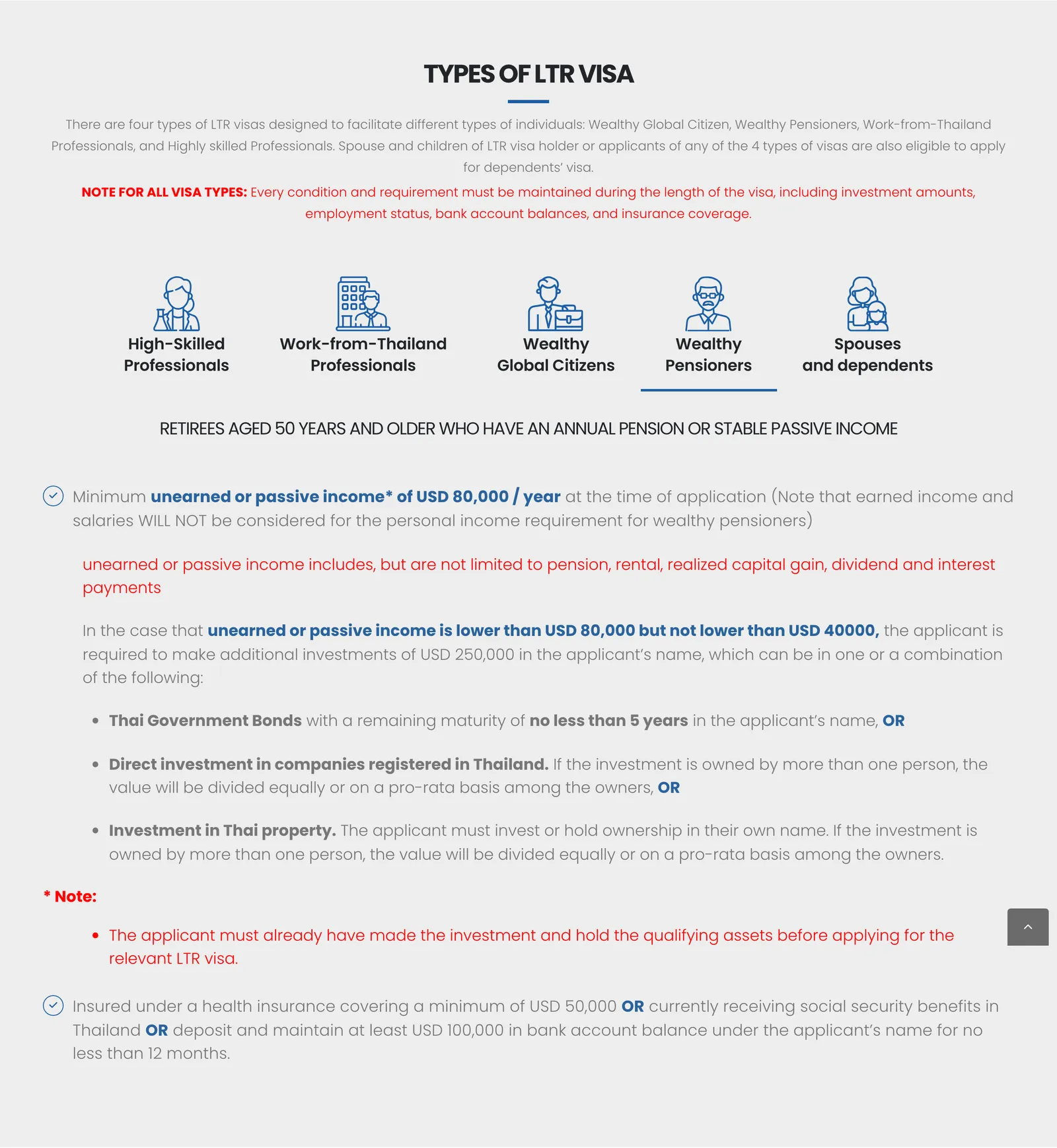
You need at least USD 1 million in assets and an investment in Thailand of at least USD 500,000 in your name. The investment must already be made and the assets held before you apply. Government bonds count with at least 5 years of remaining maturity.
For freehold property, the BOI accepts condominiums, buildings or houses on the land in the applicant’s name. For leasehold, the remaining lease must be no less than 10 years at the date of application.
On jointly owned property the officer divides the value equally or by the number of names on the ownership papers. The condo route for Chiang Mai buyers is in buying a condo in Chiang Mai as a foreigner.
Work-from-Thailand Professionals: remote workers
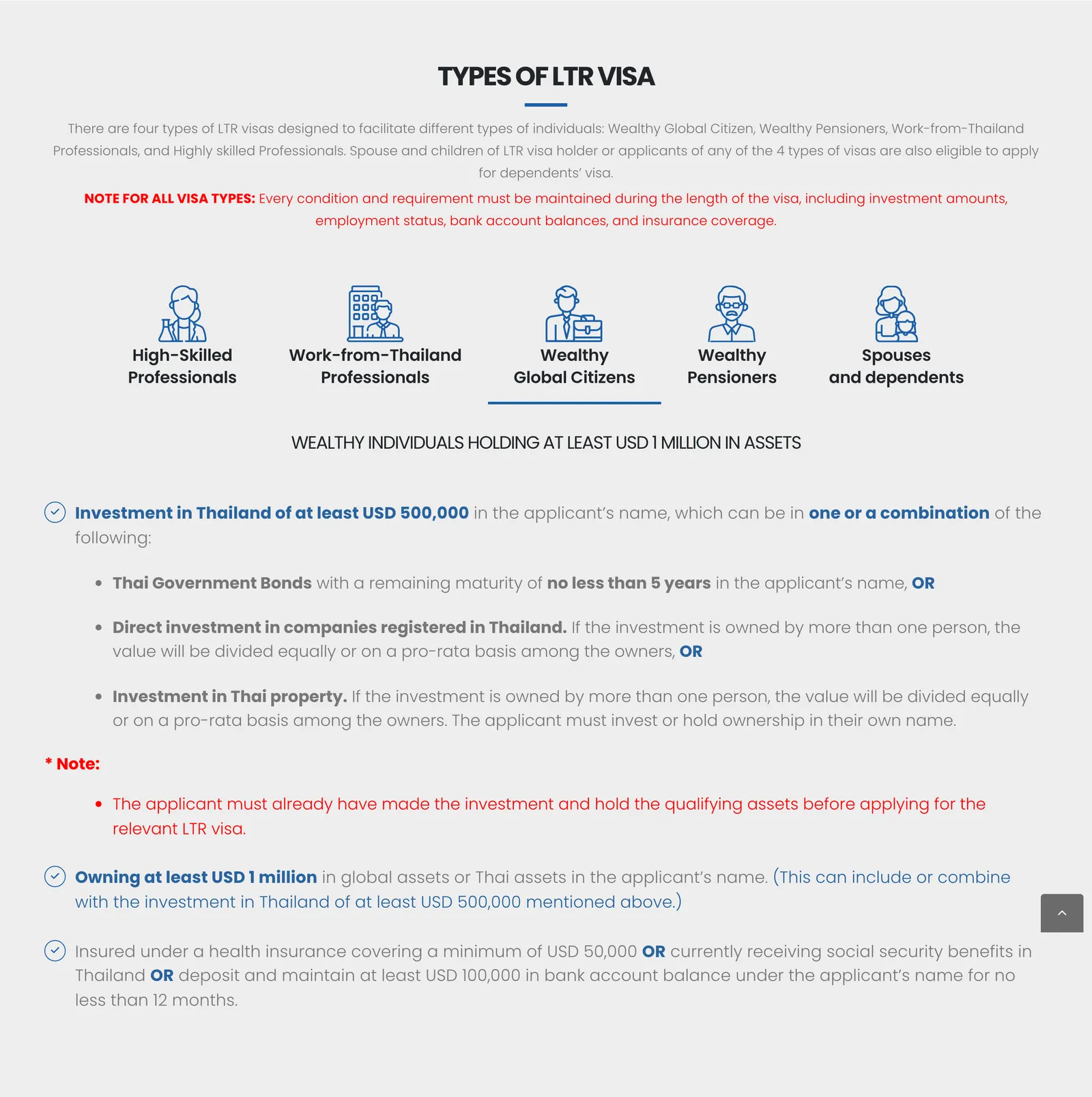
This category is for remote workers working for well-established overseas companies. The income test is a minimum average personal income of USD 80,000 a year over the past two years. Between USD 40,000 and USD 80,000, you show a master’s degree or higher.
One accepted employer type is a private company with at least 3 years of operation and combined revenue of USD 50 million in the last 3 years. Holders cannot take part in work or activities with Thai employers that generate income in Thailand. No work permit is granted in this category.
Highly-skilled Professionals: targeted industries
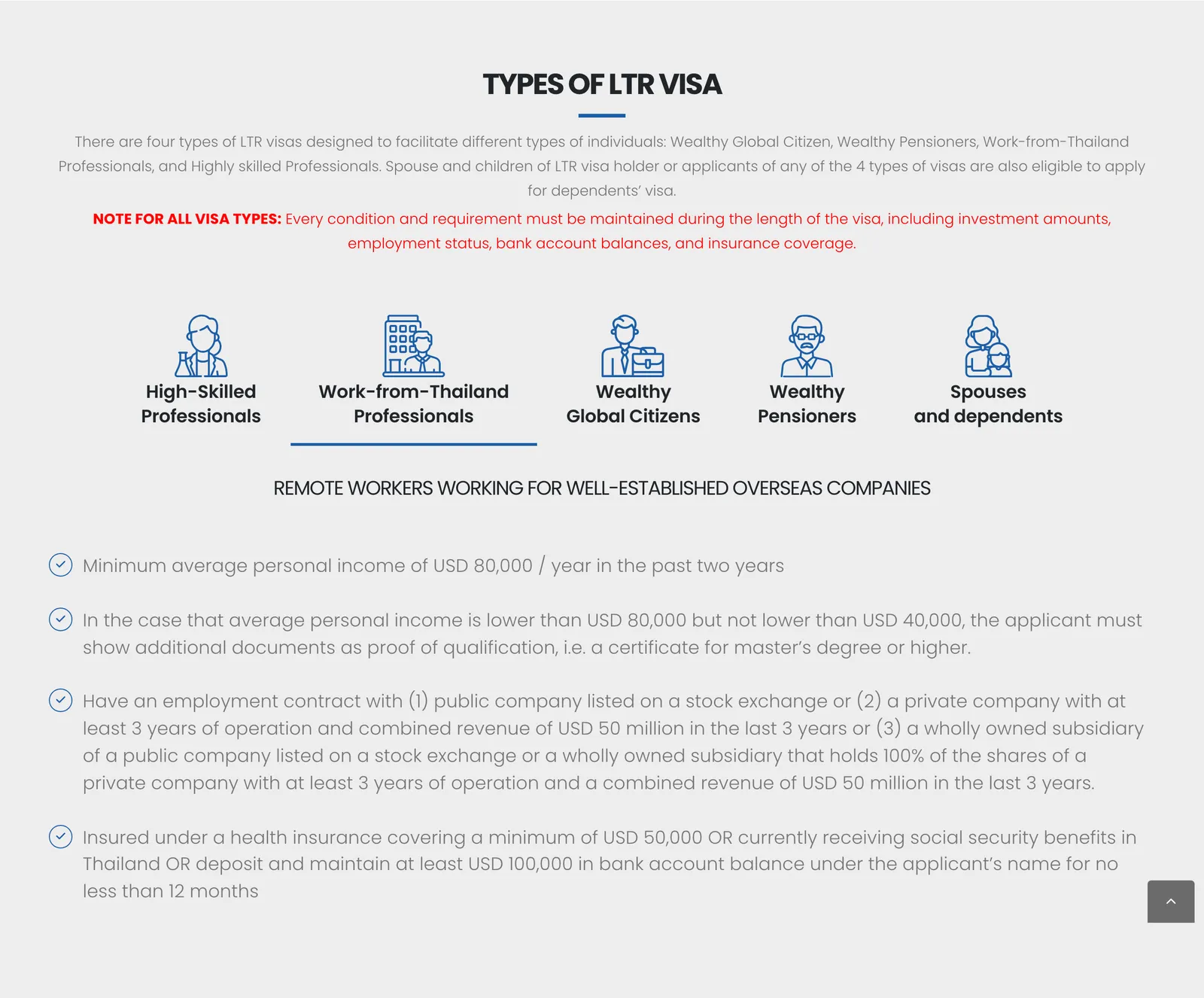
You need a contract with a Thai or foreign company whose activities fall within the targeted industries, or proof of expertise in the fields specified by BOI. The income test is a minimum average personal income of USD 80,000 a year over the past two years. Between USD 40,000 and USD 80,000, you show a master’s degree or higher in sciences and technology.
The industry list starts with automotive, electronics and affluent tourism. It also names a Digital Industry and a Medical Industry. The list ends with other industries in which the applicant works with special expertise.
Health cover and dependants
Health insurance is a required document, so prepare it before submitting or provide an alternative that meets the criteria. The alternatives are social security benefits in Thailand, or a deposit of at least USD 100,000 held for no less than 12 months.
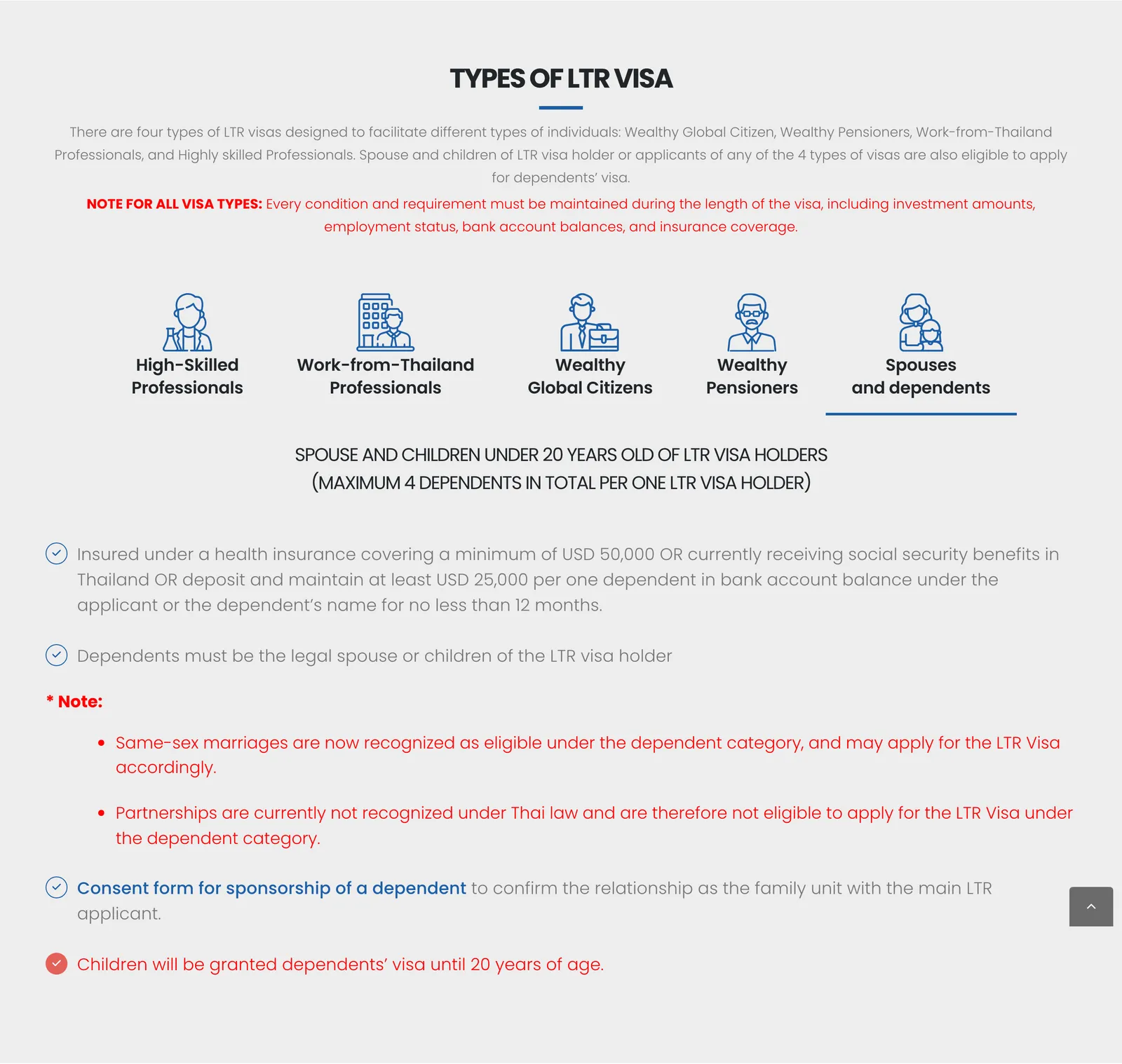
The dependant category covers the spouse and children under 20, with a maximum of 4 dependants in total per holder. Without insurance or social security, a dependant needs a deposit of at least USD 25,000 held for no less than 12 months. Dependants must be the legal spouse or children of the holder. Same-sex marriages are recognised as eligible, and partnerships are not.
Each dependant needs a separate account. The main applicant starts the application first to obtain a document number.
How to apply: steps, timing and fees
The application is submitted online through ltr.boi.go.th. Fraudulent entities claim that claim to be authorised agencies for the Smart Visa or LTR visa.
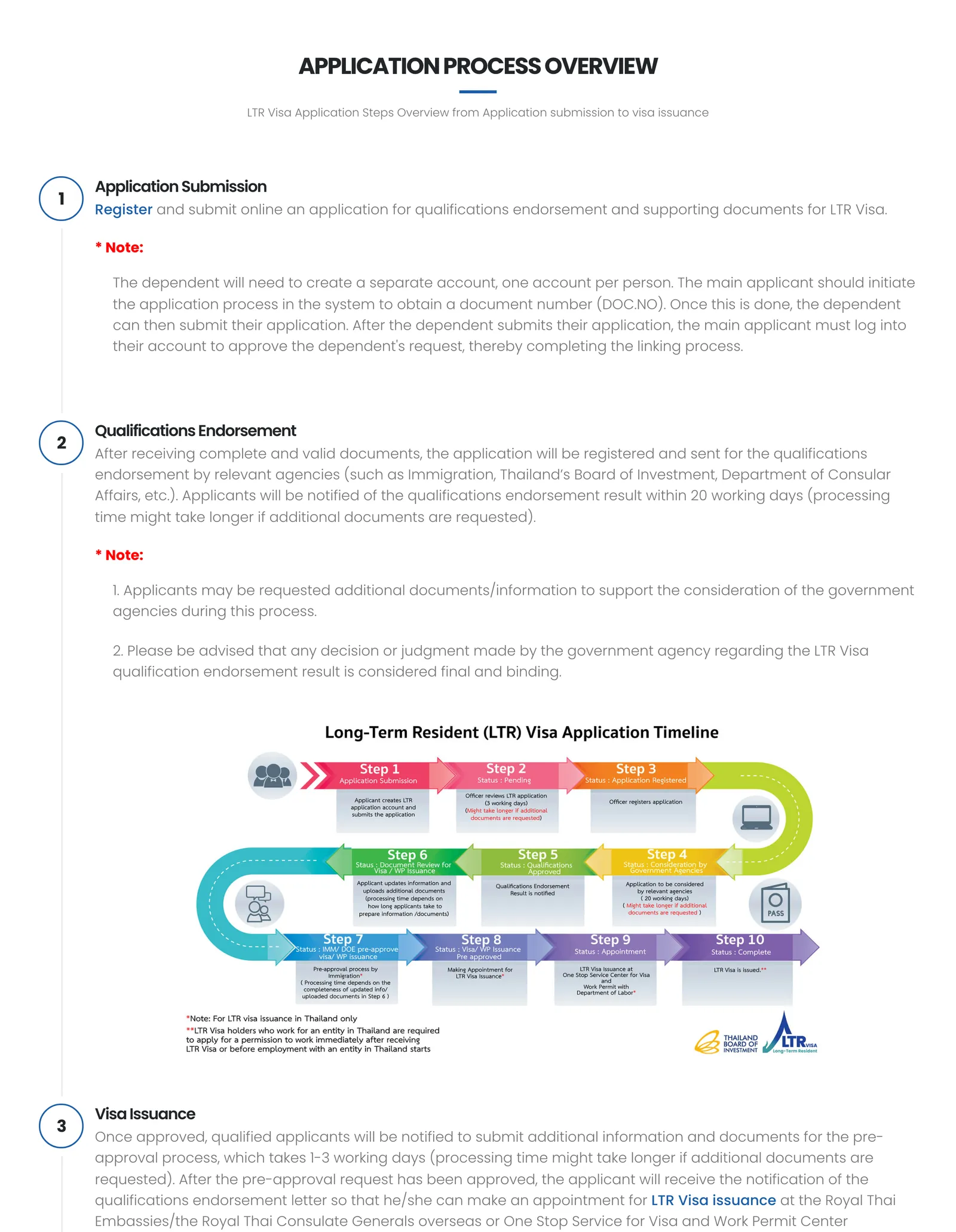
- Register and submit the application with supporting documents.
- Wait for the qualification endorsement. Results come within 20 working days.
- After approval, submit more documents for pre-approval. It takes 1-3 working days.
- Book an appointment for visa issuance within 60 days of the letter date.
- Collect the visa at a Royal Thai Embassy or Consulate-General overseas, or at the One Stop Service Center for Visa and Work Permit in Bangkok.
The BOI charges no fee for the endorsement. The application and processing are free of charge.
The visa fee is THB 50,000 per person for the 10-year multiple-entry visa when collected in Thailand. The same figure sits on the Immigration Bureau fee schedule, as archived on 9 August 2024. It is paid on the appointment date at the Bangkok centre, by Thai mobile banking QR code or cash.
Collecting abroad costs considerably more than THB 50,000 and moves with the exchange rate. The Los Angeles consulate, for one, lists USD 1,600. Dependants must collect at the same place as the main applicant. You can change the collection place while the status reads Qualification Approved.
What a Chiang Mai applicant does in person. Nothing until approval: registration, documents and the endorsement are all online. The first in-person step is the issuance appointment, so a Chiang Mai applicant either flies to Bangkok for it or collects at an embassy abroad. Keep your current visa until then.
Costs to budget:
- THB 50,000 visa fee per person if you collect in Bangkok.
- THB 3,000 a year for a work permit, only if you work for a Thai entity.
- Health insurance, or the alternative deposit,.
The BOI unit is the Thailand Investment and Expat Services Center in Bangkok. The email is ltr@boi.go.th.
Mistakes that slow an application
- Foreign documents need translation by a certified translator, a notary public, or through a notary translation by an embassy or consulate.
- A marriage certificate for a dependant is notarised and no older than 6 months.
- A rejected applicant with status Final Reject can reapply with the same account and gets a new document number.
- To change category, the holder reapplies for qualification endorsement and pays the visa fee for the new stamp.
Work permit and tax
Wealthy Global Citizens, Wealthy Pensioners, Highly Skilled Professionals and Dependents can apply for a work permit. A holder working for a Thai entity applies immediately after receiving the visa or before employment starts.
The request takes 3-5 working days. While it is in process, holders are temporarily allowed to work without the permit. The permit is collected at the Department of Employment desk in the Chamchuri Square Building, Bangkok. The work permit processing fee is THB 3,000 per year.
Highly-skilled Professionals get a 17% personal income tax rate, and the programme lists tax exemption for overseas income. No conditions are published for either item. Plan on the general rule until you hold written confirmation.
A person in Thailand for 180 days or more in a calendar year is a tax resident. A resident who brings foreign income into Thailand includes it in taxable income. Under 180 days in the year, foreign income is not taxed even if brought in. The full rules are in Thailand tax residency and foreign income.
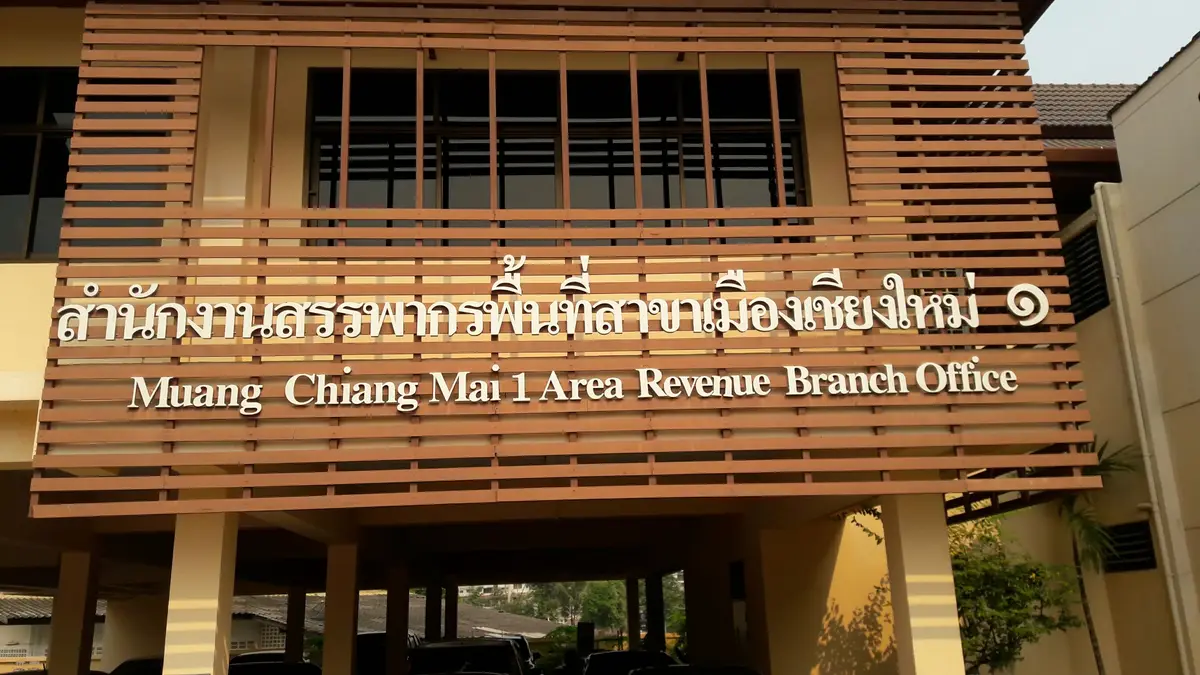
A holder with income in Thailand can apply for a Taxpayer Identification Number at any Revenue Department office nationwide. In Chiang Mai that is the Area Revenue Branch Office on Charoen Prathet Road.
2 4 Charoen Prathet Rd, Tambon Chang Khlan, Mueang Chiang Mai District, Chiang Mai 50100, Thailand · Open in Google Maps (opens in a new tab)
What a holder does after the visa is issued
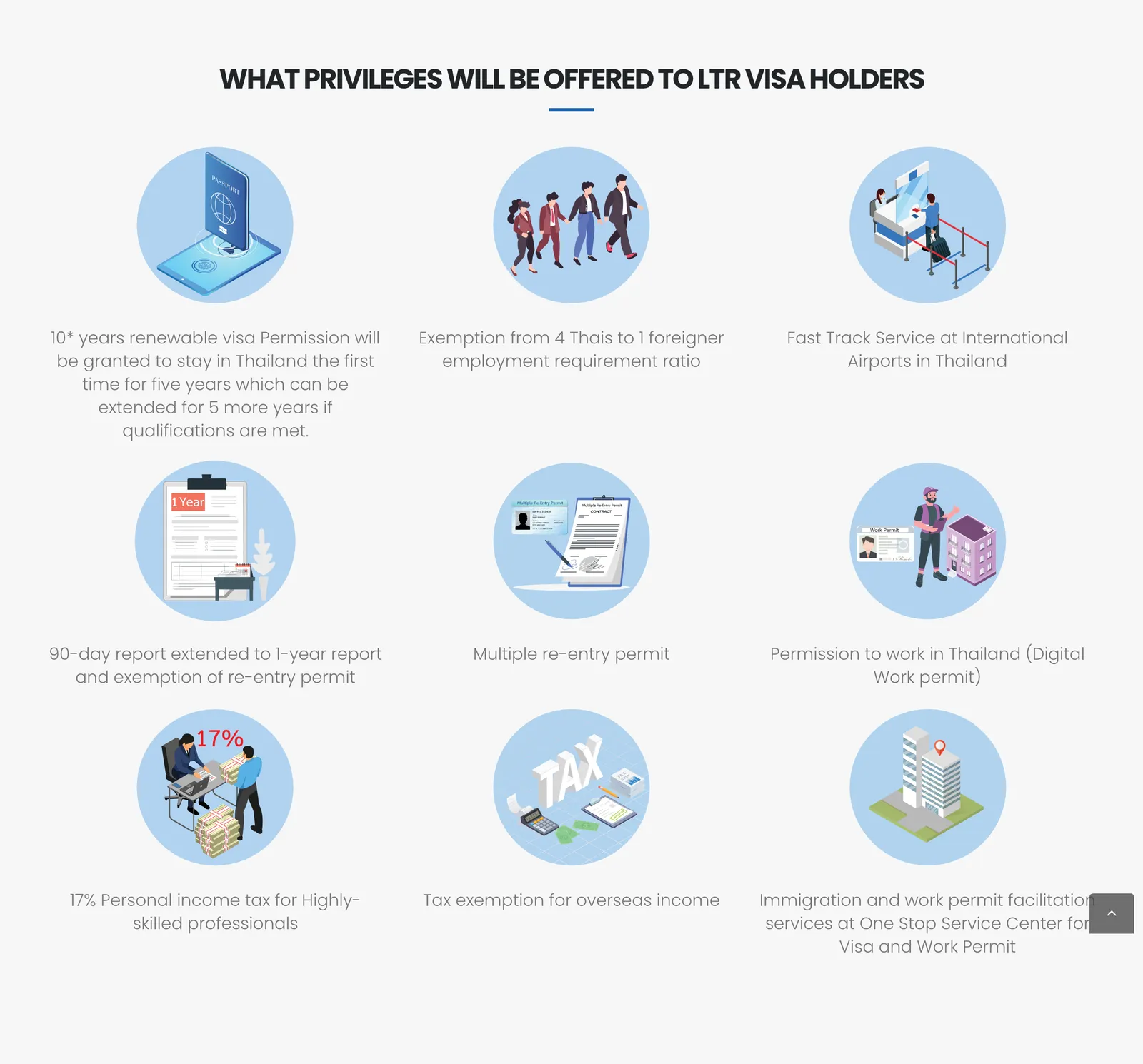
Holders get 10 years as 5 years first, a multiple re-entry permit, fast-track service at international airports in Thailand, and a 1-year report instead of the 90-day report.
The yearly report and the Chiang Mai basics:
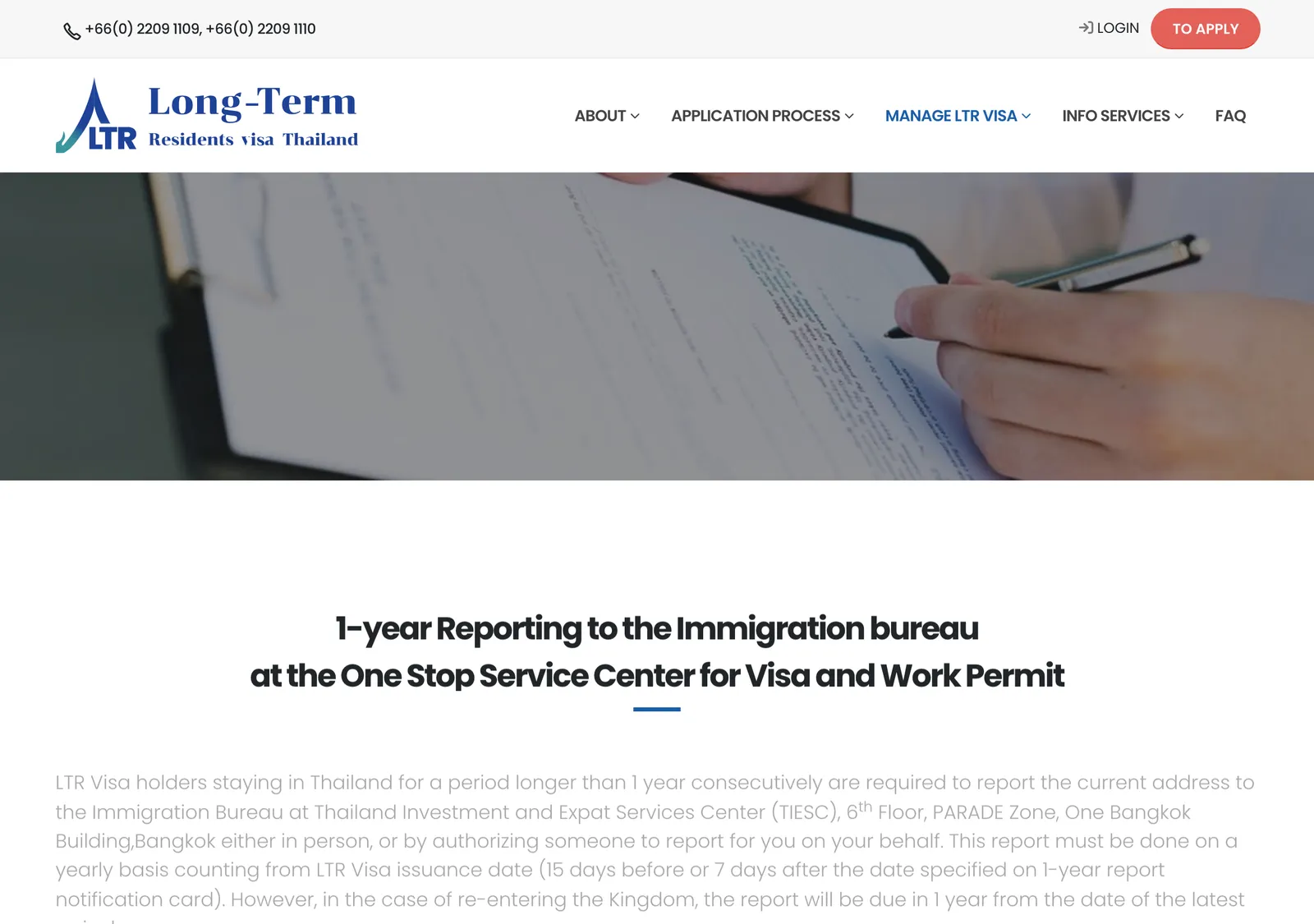
- Holders staying longer than 1 year consecutively report the current address at the Thailand Investment and Expat Services Center in Bangkok, in person or through an authorised person.
- The report is due from 15 days before to 7 days after the date on the notification card.
- If you re-enter the Kingdom, the report is due 1 year from the latest arrival. An embassy-issued visa has no card, so the date comes from the arrival stamp.
- The report uses form TM.95.
- The TM30 notification by the house owner or hotel manager is still required. The Chiang Mai steps are in the residence notification guide.
- The Thailand Digital Arrival Card is still required on entry.
At the 5-year point the holder reconfirms eligibility for the remaining 5 years, with no visa fee for the second validation. Submit within 120 to 60 days before the current permission expires. If the passport carrying the visa expires or is lost, transfer the visa to the new passport before the old one expires.
Holders can open a bank account at Bangkok Bank and Kasikorn Bank. For a driving licence, a holder needs proof of current residence from their embassy or consulate, or a residence certificate from the Immigration Bureau at the Bangkok centre. The certificate takes 15 days after the request form is submitted. The Chiang Mai side is in the Thailand driving licence guide.
LTR compared with the DTV and retirement routes
| Route | Stay | Money test |
|---|---|---|
| LTR Wealthy Pensioners | 10 years in 5 + 5 | Passive income of USD 80,000 a year |
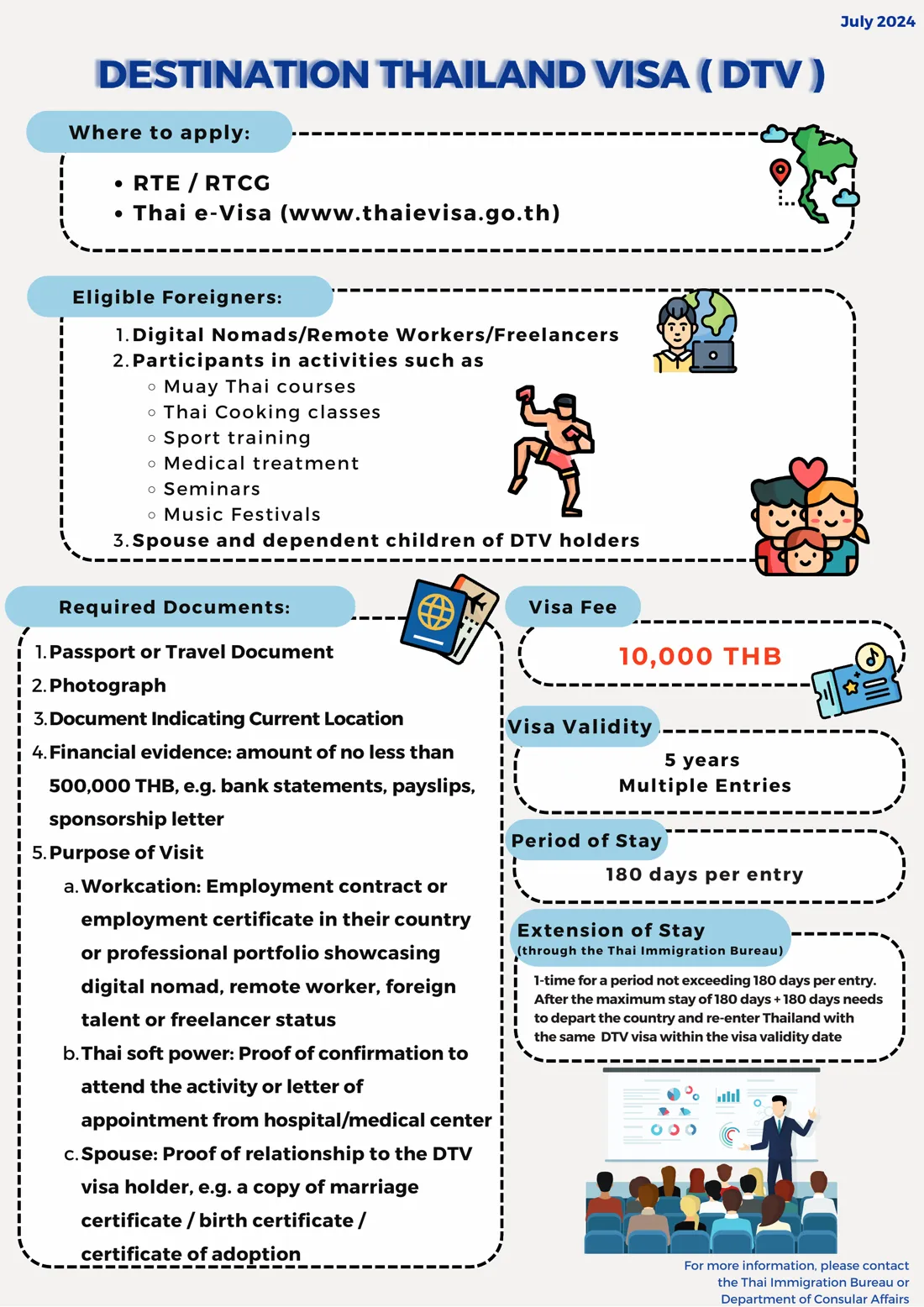
| DTV | Valid 5 years, up to 180 days per entry | Financial evidence of no less than 500,000 THB |
| O-X retirement | 5 years from first entry, 10 in total | THB 3 million deposited in a Thai bank |
The O-X also requires inpatient cover of not less than 400,000 THB. Details of the other routes are in the Thailand DTV visa guide and the retirement visa guide.
Related guides
- Thailand DTV visa
- Thailand retirement visa: Non-O, O-A and O-X
- Retirement extension of stay in Chiang Mai
- Thailand visa types
- Thailand re-entry permit
- Residence notification in Chiang Mai
- Buy a condo in Chiang Mai as a foreigner
- Thailand tax residency and foreign income
Photo credits
- Photos and clips uploaded to Google Maps (Chiang Mai Area Revenue Branch Office 1-2 on Google Maps (opens in a new tab)) by Chai TNK.
Not confirmed: Whether Chiang Mai Immigration takes the yearly address report. The report is filed at the Bangkok centre. Plan it around a Bangkok visit or an authorised person, and call the Chiang Mai office before a local filing.
Reach readers planning life in Chiang Mai. Advertise → hello@chiangmaijao.com
Common questions
Can I apply for the LTR visa at the LTR unit in person?
No. The application is submitted online through ltr.boi.go.th. The only in-person step is the visa issuance appointment, in Bangkok or at an embassy.
Is there an application fee?
The application and processing are free of charge. The THB 50,000 is paid after approval, on the appointment date, at the Bangkok centre if you collect in Thailand. Collecting abroad is priced by the embassy and can be considerably more.
Do I cancel my current visa before applying?
Leave the current visa in place while the application is in process.
Can a Work-from-Thailand holder get a work permit?
No work permit is granted to Work-from-Thailand Professionals.
Does the LTR visa replace the three-month address report?
A holder who stays 1 year without leaving files form TM.95 instead of the 90-day report TM.47. The TM30 notification is still required.
Can an unmarried partner be a dependant?
Partnerships are not recognised under Thai law and are not eligible under the dependant category.
Are foreign documents accepted without translation?
Documents are accepted only if translated by a certified translator, a notary public, or through a notary translation by an embassy or consulate.
Can an LTR holder open a Thai bank account?
Holders can open an account at Bangkok Bank and Kasikorn Bank.
Read next
General information checked against the sources listed above, not legal advice for your situation. Rules and office practice change; confirm with the immigration office or a licensed adviser before you act. See how guides are checked.
Spotted an error? Report it.